Blog / Memphis Subaru Service

Blog

All Memphis Subaru Service Memphis Subaru Dealer Jim Keras Subaru Dealership New Subaru Jim Keras Subaru Service Fun Things to Do in Memphis TN Jim Keras Subaru Financing Auto Financing in Memphis 2025 Subaru Ascent Electric SUV Restaurants in Memphis Subaru Financing Subaru Fuel Efficiency Subaru Outback Subaru Safety Subaru Solterra Subaru Technology

The Importance of Regular Oil Changes for Your Subaru

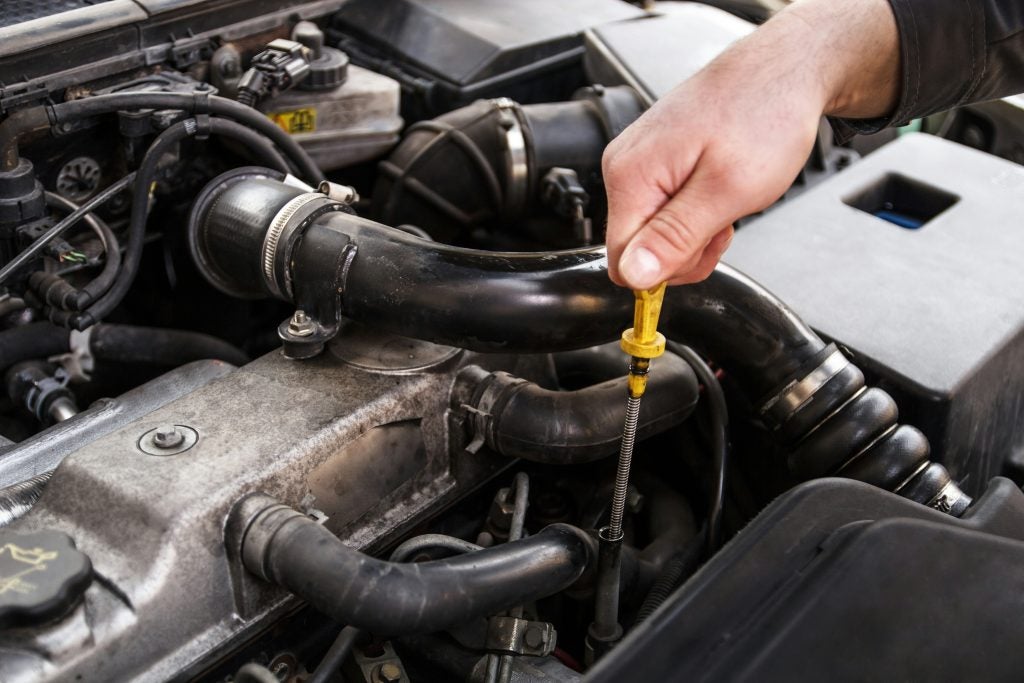
The Importance of Regular Oil Changes for Your Subaru At Jim Keras Subaru, we understand the importance of maintaining your vehicle to ensure its longevity and performance. One of the most critical aspects of vehicle maintenance is regular oil changes. Oil changes are essential for keeping your Subaru running smoothly and efficiently. Let's explore why regular oil changes are vital and how they benefit your vehicle. more Why Are Oil Changes Important? Oil is the lifeblood of your engine, providing essential lubrication to reduce friction between moving parts. Over time, engine oil can break down and become contaminated with dirt and debris, reducing its effectiveness. Regular oil changes help remove these contaminants and replenish the oil, ensuring your engine continues to operate optimally. Benefits of Regular Oil Changes Improved Engine Performance: Fresh oil helps your engine run smoothly by reducing friction and wear on moving parts. This leads to improved performance and efficiency. Extended Engine Life: Regular oil changes help prevent engine wear and tear, extending the life of your engine and reducing the risk of costly repairs. Better Fuel Efficiency: Clean oil reduces engine friction, allowing your vehicle to operate more efficiently and improve fuel economy. Reduced Emissions: Fresh oil helps your engine run cleaner, reducing harmful emissions and contributing to a healthier environment. Optimal Engine Protection: Regular oil changes ensure that your engine is protected from overheating and damage caused by friction and debris. When Should You Change Your Oil? The frequency of oil changes depends on several factors, including your driving habits, the type of oil used, and your vehicle's age. As a general guideline, it's recommended to change your oil every 5,000 to 7,500 miles. However, it's always best to consult your Subaru owner's manual or speak with our service experts at Jim Keras Subaru for personalized recommendations. Schedule Your Oil Change at Jim Keras Subaru At Jim Keras Subaru, our experienced technicians are here to help you maintain your vehicle with regular oil changes and other essential services. Visit our service center or schedule an appointment online to keep your Subaru running at its best. We're committed to providing exceptional service and ensuring your vehicle remains in top condition.

Discover the Subaru Outback: Adventure Awaits

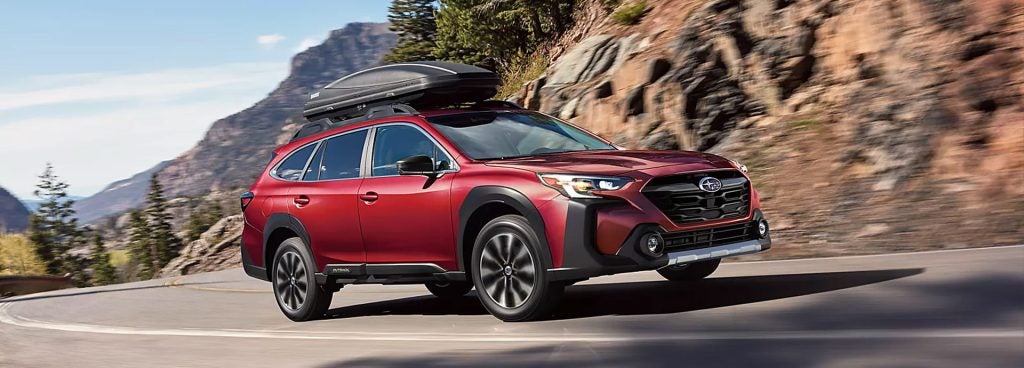
At Jim Keras Subaru, we are excited to introduce you to the Subaru Outback, a versatile SUV that combines rugged capability with modern comfort. Whether you're exploring the great outdoors or navigating city streets, the Subaru Outback is designed to handle every adventure with ease. Let's delve into what makes the Subaru Outback a standout choice for drivers seeking both performance and practicality. more Rugged Design and Versatile Capability The Subaru Outback's rugged design is built to tackle a variety of terrains, making it the perfect companion for outdoor enthusiasts. With its high ground clearance and standard Subaru Symmetrical All-Wheel Drive, the Outback provides exceptional traction and stability, allowing you to confidently explore off-the-beaten-path destinations. Its durable construction and protective cladding ensure that the Outback is ready for any adventure. Spacious Interior and Comfort Features Inside, the Subaru Outback offers a spacious and well-appointed interior, providing ample room for passengers and cargo. With its comfortable seating and high-quality materials, the Outback's cabin is designed to enhance your driving experience. The available power moonroof and premium audio system add a touch of luxury, making every journey enjoyable for both drivers and passengers. Advanced Safety and Technology Safety is a top priority for Subaru, and the Outback is equipped with a suite of advanced safety features to protect you and your loved ones. The standard EyeSight® Driver Assist Technology includes features such as Adaptive Cruise Control, Pre-Collision Braking, and Lane Keep Assist, providing an extra layer of security on every journey. Additionally, the Outback's intuitive STARLINK® Multimedia system keeps you connected and entertained with features like Apple CarPlay® and Android Auto™. Fuel Efficiency and Performance The Subaru Outback offers a choice of efficient engines, ensuring a responsive and enjoyable driving experience. With its impressive fuel efficiency, the Outback is designed to take you further with fewer stops at the pump. Whether you're commuting to work or embarking on a road trip, the Outback delivers a smooth and efficient ride. Experience the Subaru Outback at Jim Keras Subaru At Jim Keras Subaru, we invite you to discover the Subaru Outback and experience its exceptional features firsthand. Visit us today to explore our selection of Outback models and take a test drive to see why this SUV is a favorite among adventure-seekers. Our knowledgeable team is here to assist you in finding the perfect Subaru to meet your needs and elevate your driving experience.

Tire Safety

Which Type of Tire is Safer? A Comprehensive Guide for Subaru Drivers

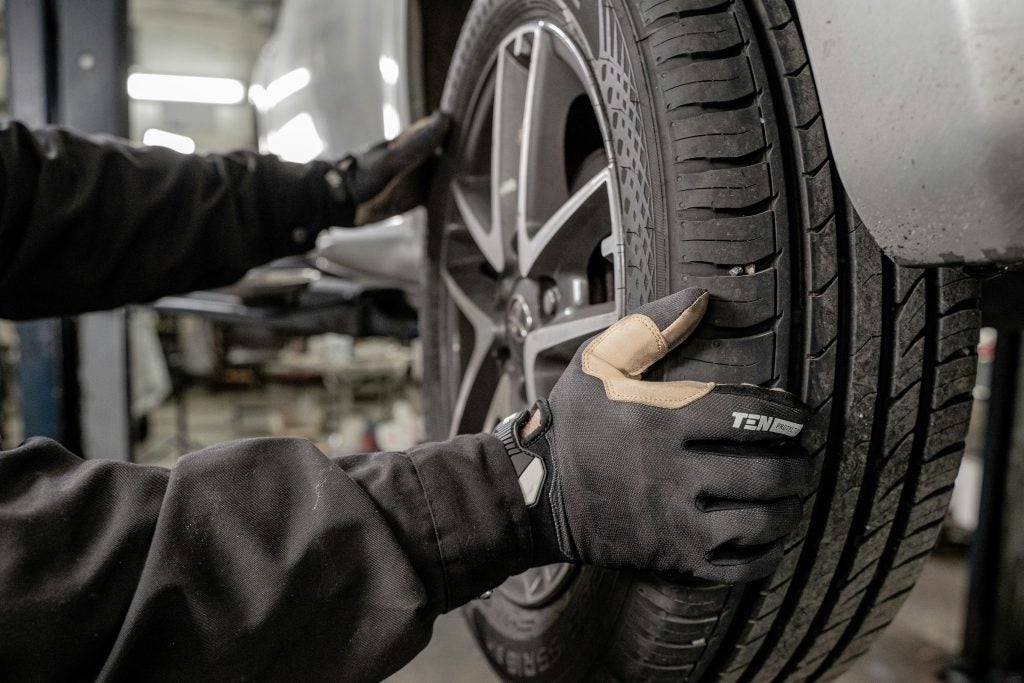
When it comes to ensuring safety on the road, choosing the right type of tire is crucial. For Subaru drivers in Memphis, TN, and surrounding areas such as Marion, AR, and Oakland, TN, understanding which type of tire is safer can make all the difference in handling various driving conditions. This guide will delve into the different types of tires, their safety features, and how to select the best tire for your Subaru, whether you're navigating city streets or tackling rugged terrains. Understanding Tire Safety: Explore the importance of tire safety and how different types of tires contribute to safer driving conditions. Winter Tires: The Ultimate Choice for Snow and Ice: Learn why winter tires are essential for snowy and icy conditions, particularly in areas with severe winters. All-Season vs. All-Weather Tires: Discover the differences between all-season and all-weather tires, and which is more suitable for your driving needs. Summer Tires: Optimal for Warmer Climates: Understand the benefits of summer tires and their limitations in colder weather. What is the Best Tire Grade?: Dive into tire grading systems and what makes a tire grade superior in terms of traction and temperature resistance. How to Pick the Best Tires for Your Subaru: Get practical advice on choosing the right tires based on your driving style and conditions. Enhancing Your Subaru with Accessories: Explore how accessories can complement your tire choice for an enhanced driving experience. Service and Maintenance for Tire Longevity: Tips on maintaining your tires for safety and performance. Understanding Tire Safety Tire safety is a critical aspect of vehicle maintenance that directly impacts your driving experience. For Subaru drivers in Memphis, TN, and nearby areas like Marion, AR, and West Memphis, AR, selecting the right tire is essential for navigating the diverse road conditions encountered throughout the year. Tire safety involves choosing the correct type of tire that provides optimal grip, stability, and performance under specific weather and road conditions. The National Highway Traffic Safety Administration (NHTSA) emphasizes the importance of using tires that match the driving environment. For instance, winter tires are recommended for snowy and icy conditions, providing superior grip and stability due to their deeper treads and softer rubber compounds. In contrast, all-season tires offer a balanced performance for various conditions, making them a popular choice for drivers in regions with moderate climates. For those in areas like Cordova, TN, where weather can vary significantly, understanding the different tire types and their safety features is crucial. Whether you're commuting on city streets or embarking on a long road trip, having the right tires can enhance your vehicle's performance and ensure your safety on the road. Winter Tires: The Ultimate Choice for Snow and Ice Winter tires are specifically designed to tackle the challenges of cold temperatures and snowy or icy roads. For Subaru owners in regions like Oakland, TN, and Millington, TN, where winter conditions can be severe, investing in winter tires is a wise decision. These tires feature a unique tread pattern and a softer rubber compound that remains flexible in freezing temperatures, providing superior grip and braking performance. The Colorado Department of Transportation highlights that winter tires are marked with the mountain snowflake symbol, indicating their capability to handle winter conditions effectively. This makes them the safest option for drivers facing heavy snow or ice. Additionally, winter tires are designed to channel slush and water away from the tire, reducing the risk of hydroplaning and improving traction on wet surfaces. Subaru vehicles, known for their all-wheel drive capabilities, can significantly benefit from winter tires. By enhancing the vehicle's natural grip and stability, winter tires ensure that Subaru drivers can navigate challenging winter roads with confidence. For those planning to travel to areas like Bartlett, TN, during the winter months, winter tires are an essential safety feature. All-Season vs. All-Weather Tires All-season and all-weather tires are popular choices for drivers seeking versatility and convenience. While both types of tires are designed to perform well in various conditions, understanding their differences is crucial for making an informed decision. All-season tires are engineered to provide a balanced performance in dry, wet, and light snowy conditions. They are a great option for drivers in areas like Arlington, TN, where winters are mild, and the climate is relatively stable. These tires offer good traction and mileage, making them suitable for year-round use without the need for seasonal tire changes. On the other hand, all-weather tires are a more specialized version of all-season tires, designed to handle a broader range of winter conditions, including wet snow and slush. These tires are marked with the mountain snowflake symbol, indicating their capability to perform in severe winter conditions. They are ideal for drivers in Lakeland, TN, where weather patterns can be unpredictable, and the need for reliable winter performance is paramount. Choosing between all-season and all-weather tires depends on your specific driving needs and the typical weather conditions in your area. For those in Memphis, TN, where weather can vary, consulting with a tire expert at Jim Keras Subaru can help you make the best choice for your vehicle. Summer Tires: Optimal for Warmer Climates Summer tires are designed to provide excellent performance in warm weather conditions. They are ideal for drivers in regions like Cordova, TN, where temperatures rarely drop below freezing. These tires feature a unique tread pattern and rubber compound that enhance traction and handling on dry and wet roads, making them perfect for spirited driving and high-speed stability. While summer tires offer superior performance in warm weather, they are not suitable for cold temperatures or snowy conditions. The rubber compound used in summer tires can harden in freezing temperatures, reducing their grip and increasing the risk of accidents. Therefore, drivers in areas with seasonal weather changes, such as Memphis, TN, should consider switching to winter or all-season tires during colder months. For Subaru enthusiasts who enjoy driving on winding roads and highways, summer tires can enhance the vehicle's handling and responsiveness. Whether you're cruising through Arlington, TN, or exploring the scenic routes around Millington, TN, summer tires provide the performance and confidence needed for an enjoyable driving experience. What is the Best Tire Grade? Tire grading systems, such as the Uniform Tire Quality Grading (UTQG), provide valuable information about a tire's performance in terms of traction, temperature resistance, and treadwear. For drivers in Bartlett, TN, understanding these grades can help in selecting the best tire for their Subaru. Traction grades measure a tire's ability to stop on wet pavement, with ratings ranging from AA (the highest) to C. Tires with an AA rating offer the best wet traction, making them ideal for areas with frequent rain or wet conditions. Temperature grades indicate a tire's ability to withstand heat, with A being the highest rating. This is particularly important for drivers in warmer climates, such as Marion, AR, where high temperatures can affect tire performance. When selecting tires for your Subaru, consider the UTQG ratings to ensure you're choosing a tire that meets your driving needs and environmental conditions. For personalized advice and to explore the latest tire options, visit Jim Keras Subaru in Memphis, TN, where our experts can guide you through the selection process. How to Pick the Best Tires for Your Subaru Choosing the right tires for your Subaru involves considering several factors, including your driving style, typical road conditions, and climate. Here are some tips to help you make an informed decision: Assess Your Driving Needs: Consider whether you primarily drive in the city, on highways, or off-road. Each environment requires different tire characteristics for optimal performance. Evaluate Weather Conditions: Determine the most extreme weather conditions you may encounter. This will help you choose between all-season, all-weather, winter, or summer tires. Consider Your Driving Style: If you prefer a smooth, comfortable ride, look for tires that emphasize comfort and low road noise. For a more dynamic driving experience, opt for high-performance tires that offer excellent grip and handling. For Subaru drivers in Memphis, TN, and surrounding areas like West Memphis, AR, consulting with a tire expert at Jim Keras Subaru can provide valuable insights and recommendations tailored to your specific needs. Whether you're looking for new Subaru inventory or need to schedule service and diagnostics, our team is here to assist you. Enhancing Your Subaru with Accessories In addition to selecting the right tires, enhancing your Subaru with accessories can further improve your driving experience. From roof racks and cargo carriers to all-weather floor liners, the right accessories can provide added convenience and protection for your vehicle. For drivers in areas like Arlington, TN, and Lakeland, TN, where outdoor adventures are common, accessories such as trailer hitches and towing accessories can be invaluable. These additions allow you to transport gear and equipment with ease, making your Subaru even more versatile. At Jim Keras Subaru, we offer a wide range of accessories to suit your needs. Visit our dealership at 2110 Covington Pike, Memphis, TN 38128 or call us at (901) 401-9919 to explore our selection and enhance your Subaru today. Service and Maintenance for Tire Longevity Proper maintenance is essential for extending the life of your tires and ensuring your safety on the road. Regularly checking tire pressure, alignment, and tread depth can prevent premature wear and improve fuel efficiency. For Subaru owners in Memphis, TN, and surrounding areas like Cordova, TN, scheduling regular service appointments is crucial for maintaining tire performance. At Jim Keras Subaru, we offer comprehensive maintenance services to keep your vehicle in top condition. Schedule service and diagnostics with our experienced technicians to address any tire-related concerns and ensure your Subaru is ready for any journey. In addition to maintenance, consider using our trade-in tool to find out the value of your current vehicle and explore options for upgrading to a new Subaru. Whether you're interested in the latest Subaru WRX or the versatile Subaru Outback, our team is here to assist you every step of the way. For more information on our new and used vehicle inventory, visit our New Subaru Inventory and Used Vehicle Inventory. To explore financing options, get approved for financing through our online credit application. At Jim Keras Subaru, we're dedicated to providing exceptional service and helping you find the perfect vehicle for your needs. © 2025 Jim Keras Subaru

Maximize Your Drive: Subaru's Commitment to Fuel Efficiency

Maximize Your Drive: Subaru's Commitment to Fuel Efficiency At Jim Keras Subaru, we understand that fuel efficiency is a top priority for many drivers. That's why we're proud to showcase Subaru's dedication to providing vehicles that deliver exceptional fuel economy without compromising performance or capability. more Why Choose Subaru for Fuel Efficiency? Innovative Engineering: Subaru's engineering team continuously strives to enhance fuel efficiency through innovative technologies and design improvements. The SUBARU BOXER® engine, known for its low center of gravity and balanced design, contributes to both fuel economy and driving stability. Lineartronic® CVT: Many Subaru models feature the Lineartronic® Continuously Variable Transmission (CVT), which optimizes engine performance and fuel efficiency by providing seamless power delivery and reducing energy loss. Eco-Friendly Technologies: Subaru is committed to reducing its environmental impact. Models like the Subaru Forester Hybrid combine hybrid technology with Subaru's legendary all-wheel drive, offering impressive fuel economy and reduced emissions. Symmetrical All-Wheel Drive: Subaru's standard all-wheel-drive system is designed to provide optimal traction and control, enhancing fuel efficiency by distributing power more effectively across all four wheels. Fuel-Efficient Subaru Models: Subaru Impreza: Known for its compact size and efficient performance, the Impreza offers excellent fuel economy, making it a popular choice for city driving and long commutes. Subaru Crosstrek: With its rugged design and hybrid option, the Crosstrek provides a perfect balance of capability and efficiency, ideal for adventure seekers. Subaru Legacy: The Legacy is a midsize sedan combining comfort and efficiency, offering a smooth ride and impressive fuel economy for everyday driving. Visit Jim Keras Subaru Today At Jim Keras Subaru, we invite you to explore our lineup of fuel-efficient Subaru vehicles. Our knowledgeable team is here to help you find the perfect model that meets your needs and fits your lifestyle. Visit us today to take a test drive and experience the fuel efficiency and performance that Subaru has to offer.

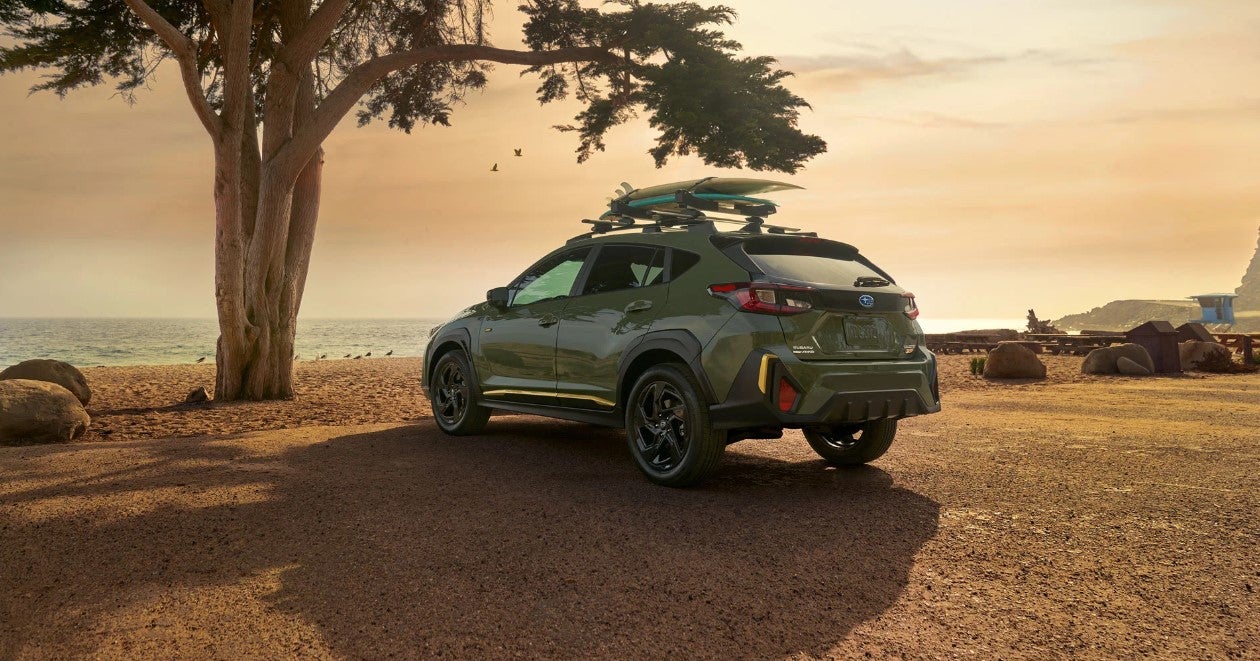
2024 Subaru Crosstrek

Maintaining Your Subaru's All-Wheel Drive System: Service Tips

Subaru has always been rated at the top of the list for its Symmetrical All-Wheel Drive System, which comes standard on pretty much the whole lineup of vehicles minus the BRZ, which is rear-wheel drive. If you have ever been a Subaru owner, or you are thinking of becoming a Subaru owner, it's important to keep up with maintenance, so today we will look at the key items to maintain your Subaru AWD Maintenance. more Maintaining Your Subaru's All-Wheel Drive System: Service Tips AWD systems have more running parts than a regular vehicle. Additional parts are needed to get power to both sets of axles compared to an FWD or RWD vehicle, where only one axle requires power to the wheels. There are parts such as the differential, transfer case, and even a secondary driveshaft may be necessary. All of these items require additional maintenance. Differential Oil Differential oil is a vital component of your AWD system. You may be tempted to save a buck or two here, but with the technology of today's AWD systems, including limited slip differentials, be sure to consult with your Subaru certified technician and owner's manual to make sure you are using the correct fluids. A lot of these systems require special additives, and you do not want to skimp out on using an incorrect fluid for your differential system. How Often Do I Need To Change? Change the differential and transfer case oils every 15,000 to 30,000 miles, depending on the type of driving you are doing. If you are towing or hauling trailers or other items with your Subaru, err on the side of caution and change sooner rather than later, as this can add stress to your AWD system. Daily commuting will allow you to get away with the latter mileage, but if you have any questions, consult your Subaru dealer. Tire Rotations Tires are especially susceptible to uneven wear due to the AWD system in your car. Therefore, regular intervals of tire rotations are recommended, usually every 4,000 miles or so. If you have a blowout, it is recommended to replace all four tires, not just one on an AWD system. Increased Wear & Tear As we mentioned earlier, towing or off-road fun can cause extra stress on your AWD system, so regularly scheduled maintenance visits are key to making sure your Subaru runs optimally. Items such as the wheel bearings, shocks, ball joints, sway bar bushings, and links are all items that your technician will keep their eye on during multi-point inspections. Making sure that you stay on top of maintenance is a key factor in having your Subaru last a very long time. Schedule your maintenance visit today at Jim Keras Subaru Hacks Cross in Memphis, TN.

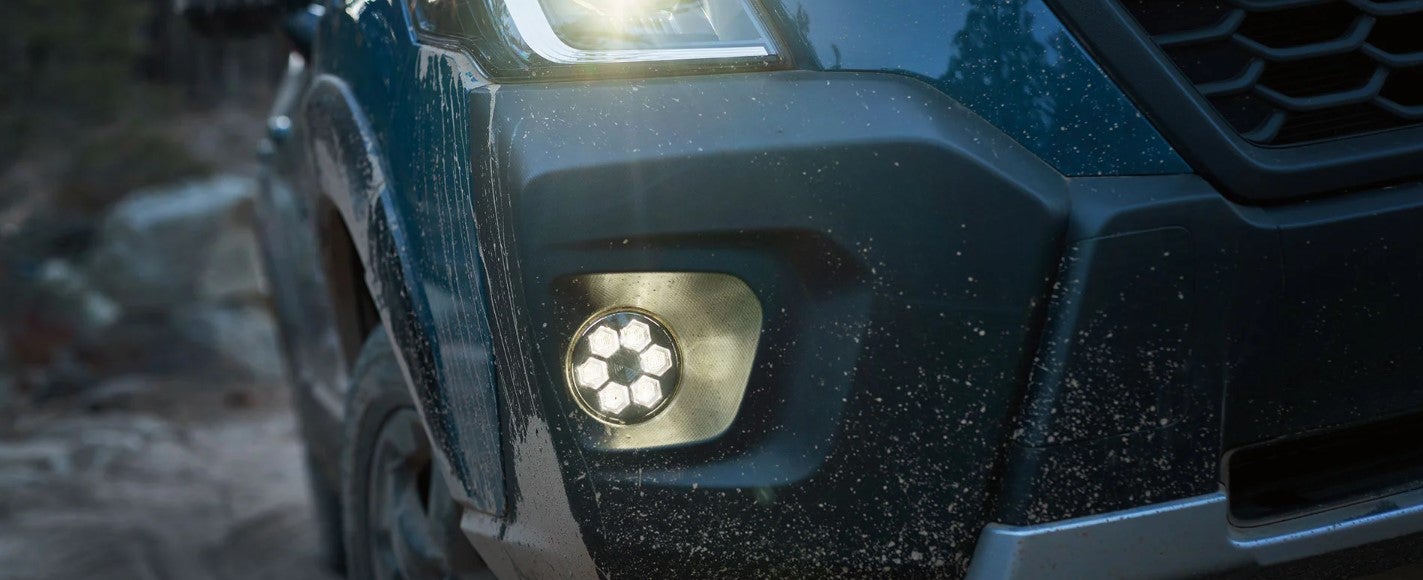
Subaru Forester Headlight and Foglamp

Need New Headlights? Visit Your Subaru Dealership

After about five or six years, you're going to need to head to the Subaru dealership and get new headlights for your car. This is because your headlights tend to get dimmer after this length of time, meaning they may not illuminate the road as much as they should. There are also other signs that let you know it's time for a new set of headlights. more Signs You Need New Headlights Flickering As well as getting dimmer, your headlights may start to flicker when the bulbs are getting old and are close to burning out. Your bulbs might last for a few more trips after they begin flickering, but you should never attempt to drive long distances in the dark once the problem arises. Getting to the dealer for a new set of headlights should be a priority. Yellowing/Haziness Both yellowing and haziness can be a sign of dirt and salt buildup on your headlight casing. Often, this buildup can be washed away using a strong cleaning solution that your dealer can recommend or supply. If the buildup stained the casing and can't be washed away, then you'll need to replace the headlight casing. Yellowing and haziness may also be caused by UV damage, so you'll need to replace the headlight casing if this is the problem. Damaged Headlight Case Even if the bulbs are fine, you need to visit the dealer if your headlight casing gets damaged. Cracks, chips, and scratches on the headlight cover can decrease visibility. Plus, cracks can get larger over time, making visibility even worse. Burned Out Bulb If one of your bulbs has burned out, then the other won't be too far behind it. Head to the dealer so both bulbs can be replaced, as headlight bulbs should always be replaced as a pair. Why Should You Visit the Subaru Dealership for Replacement Headlights? The Technicians Are Highly Trained Some headlight issues, such as flickering or dimming, may actually be caused by an electrical fault in your car. If replacing the headlights doesn't fix the problem, then you'll need an engine diagnostic and, potentially, a repair to your electrical system. Make sure your car is in the hands of highly trained technicians if you need repairs on any of the systems in your car. The Dealership Has Convenient Scheduling Dealerships allow you to schedule service effortlessly, so you can bring your car in at a time that suits you. You can even schedule service online using our website, making the process even more convenient for you. Bring your car to Jim Keras Subaru in Memphis, TN if your headlights need to be replaced. We can handle any replacements, repairs, and preventative maintenance that your car needs.

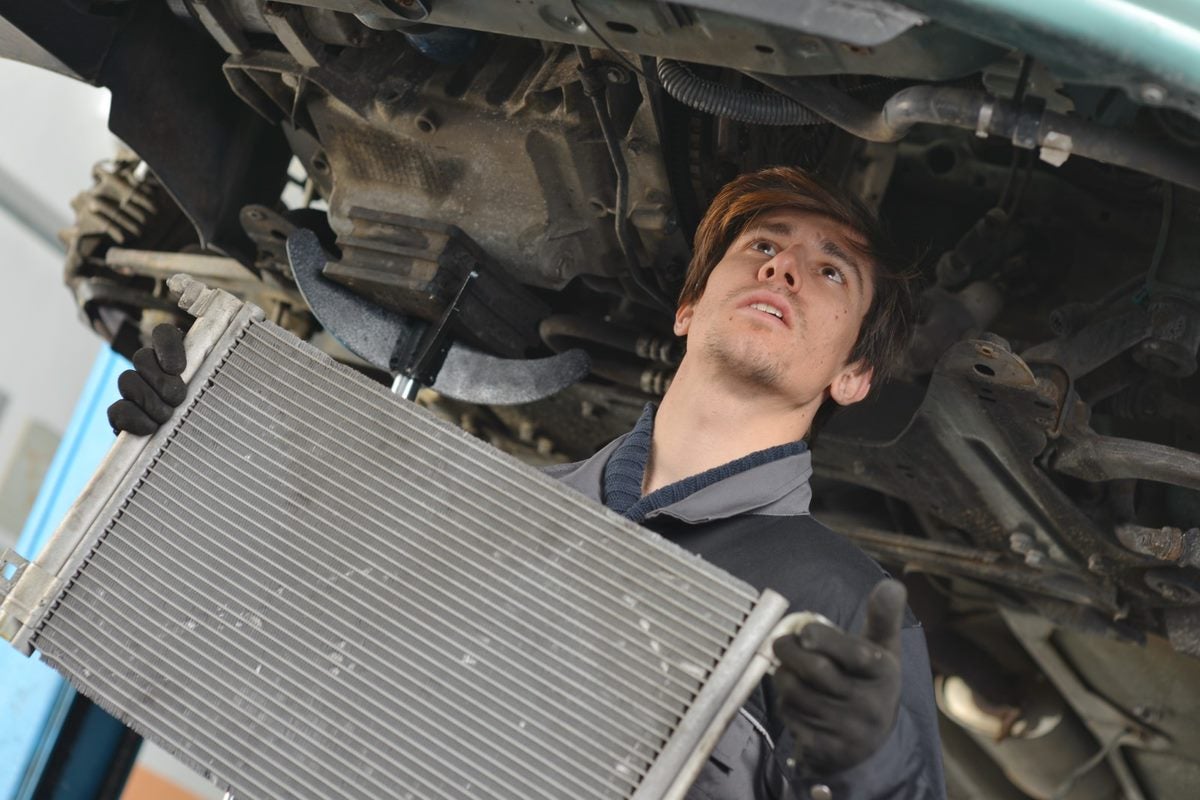
radiator installation

Getting OEM Parts for Your Subaru

Maintaining and caring for your Subaru is something most of us Subie owners are concerned about. And if our beloved vehicles ever need new parts, opting for Original Equipment Manufacturer (OEM) parts is the safe way to go. If you're not quite sure whether to shop around for lower prices or to just go for the original parts, here are a few thoughts from your local Subaru dealer about choosing OEM parts for your Subaru. more Advice from Your Subaru Dealer: Getting OEM Parts for Your Subaru Guaranteed Quality and Reliability One of the primary benefits of choosing parts from the original manufacturer for your Subaru is the assurance of quality and reliability. These parts are engineered to meet the stringent standards set by Subaru, ensuring that they fit seamlessly and perform optimally. With original parts, you can trust in the consistent high quality of components designed specifically for your vehicle. Perfect Compatibility Parts from the original manufacturer are tailor-made to fit your Subaru model perfectly. This eliminates any compatibility concerns that might arise with aftermarket alternatives. You can count on a hassle-free installation process and avoid potential issues that may arise from using non-genuine parts. Warranty Coverage Many parts from the original manufacturer come with warranties, providing an extra layer of protection for your investment. You can be confident that any defects or issues will be covered, ultimately reducing repair costs over time. The peace of mind that comes with warranty coverage is a valuable advantage of choosing parts from the original manufacturer. Enhanced Safety Safety is a top priority for Subaru, so parts from the original manufacturer meet that same expectation. These components undergo rigorous testing to ensure they meet safety standards. With original parts, you maintain the integrity of your vehicle and prioritize the safety of yourself and your passengers. Longevity and Resale Value Investing in parts from the original manufacturer contributes to the longevity of your Subaru. It helps preserve the vehicle's resale value by maintaining its original condition. When you decide to sell or trade-in your Subaru in the future, having records that show original parts were used in repairs or replacements can make a significant difference in its market value. For easy access to a wide range of original parts, visit or call us here at Jim Keras Subaru in Memphis, TN, to talk to one of our team of professionals. We can not only provide expert guidance in helping you decide what parts you might need; we can also help you choose the right components for your specific Subaru model and provide you with professional in

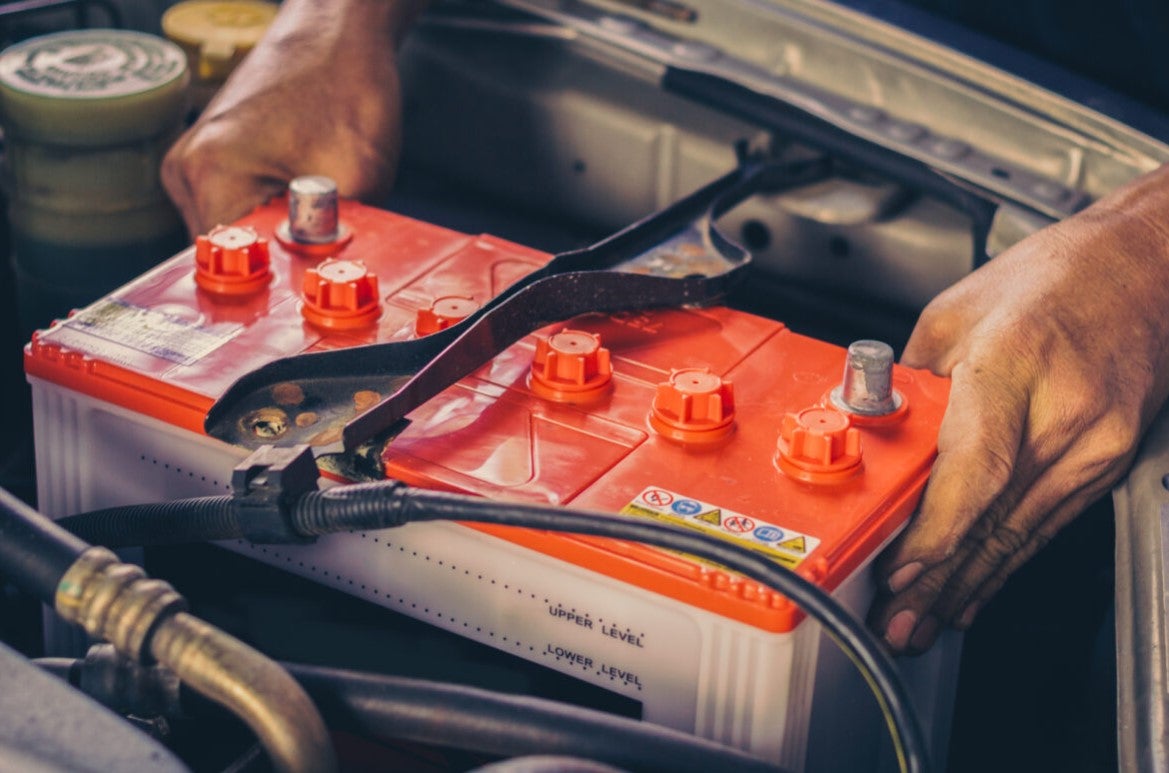
Car Battery Replacement

Does Your Subaru Need a New Car Battery?

Car batteries usually need to be replaced every four or five years. It's best to know the symptoms of a failing battery, so you don't run into electrical problems while out on the road. Here are a few warning signs to look out for. If you think you need a new car battery, head to your local Subaru dealer without delay to have one installed. more Does Your Subaru Need a New Car Battery? Engine Cranks But Won't Start When you turn the key to start your engine, do you hear the starter cranking but nothing more? When an engine refuses to start, the most common culprit is the battery. Either it's temporarily drained or it's grown too old and degraded to properly hold or conduct enough voltage. Engine Only Starts Sluggishly Fortunately, when a car battery is on its last legs, it's unlikely that the engine suddenly won't start one day without any warning. Most of the time, it will first become gradually slower to start. If you notice your car's struggling to start, have your battery checked at once before it fails altogether. Lights and Other Electronics Fail The battery supplies electricity to the headlights and other electrical components of your car. So if your headlights start to dim and other electronics also lose power, consider having your battery replaced. Too Much Corrosion To Clean When you inspect your battery, pay attention to the connection terminals. It's natural for a little rust or other forms of corrosion to appear on the metal of the terminals, but you shouldn't allow this corrosion to grow. Use a good cleaning product to clean the terminals. If corrosion ever becomes too excessive to clean, you'll probably need a new battery. Casing Starts To Warp Out of Shape A car battery's casing can sometimes begin to warp out of shape when it ages or becomes damaged. Any warping at all means the battery's internal integrity and ability to function is threatened, and it's no longer safe to use. Bad Smells Emitting From the Battery A pungent smell that's similar to rotten eggs might point to a leaking car battery. If your battery ever cracks open and starts to leak, get rid of it before the leaking battery acid causes damage to other components of your car. Subaru Dealer Recommends a New Battery Preventative maintenance is the key to catching and resolving potential automobile problems early on. This also applies to your car's electronic system and battery. As such, it's a good idea to have an experienced professional check your battery from time to time. Also, always pay heed to any suggested actions they have to offer. Visit Jim Keras Subaru today to have your battery checked or replaced by qualified technicians. We're a locally owned and operated dealership that's been helping out the region's drivers for over 32 years.

2023 Subaru Ascent Driving MRP

5 Car Maintenance Tips to Keep Your Subaru in Great Shape

It's no secret that Subaru owners love their vehicles for their reliability, performance, and safety. If you want to keep your Subaru in great shape, you should stay on top of proper car maintenance. Here are some tips from your Subaru dealer on how to keep your Subie running smoothly. more From Your Subaru Dealer: 5 Car Maintenance Tips to Keep Your Subaru in Great Shape 1. Check and Top Up Fluids Regularly Engine oil and coolant are crucial to the functioning of your engine, so they should be checked regularly. Engine oil lubricates the engine, while coolant regulates engine temperatures to prevent overheating. Check the levels regularly and top up as needed to maintain optimal engine performance. Don't forget to check other fluids in your Subaru, like transmission fluid, brake fluid, power steering fluid, and windshield washer fluid. Flush the systems regularly to get rid of pollutants and check for leaks. After flushing and cleaning the system, refill the fluids to keep the vehicle in tip-top shape. 2. Inspect and Rotate Tires Regularly Proper tire maintenance is essential for proper handling of your Subaru. You should inspect the tire tread regularly to check for uneven wear. Rotate the tires every 5,000 to 7,500 miles to ensure even wear across the two sets of tires. This improves traction, enhances handling, and boosts braking performance. 3. Service Your Subaru Annually One of the best ways to maintain your Subaru for the long haul is to have your yearly service done by a certified Subaru technician. An annual service includes the following: Oil change and fluid top-up Engine and cabin air filter replacement Fuel filter replacement Brake inspection Battery tests Transmission inspection Visual inspection for leaks and damage This comprehensive service catches small issues before they balloon into major repairs. It prevents premature wear and tear and gives you peace of mind that your Subaru is running optimally. 4. Pay Attention to Dashboard Warning Lights Dashboard warning lights provide vital clues about your Subaru's health, so don't ignore them. Lights indicating low oil, abnormal engine temperature, check engine lights, and issues with ABS or other systems should be investigated immediately. Even minor issues can escalate into major repairs. Visit your dealer immediately, so their technicians can carry out a diagnostic test to unearth the underlying faults. 5. Take Care of the Exterior and Undercarriage As you maintain the engine, tires, and other mechanical components, don't neglect the exterior and undercarriage. Wash the exterior frequently and wax the body yearly to protect the paint from UV damage and maintain your Subie's shiny look. Don't forget to clean the undercarriage, as salt and chemicals can cause it to rust. After cleaning, apply a rust-inhibiting sealant to protect the metals from corrosion. Inspect the undercarriage regularly and address any concerns like dents, rust spots, and leaks. Follow these tips to keep your Subie running smoothly for years to come. Contact Jim Keras Subaru to schedule a comprehensive service for your vehicle.

transmission

Does Your Subaru Need a Transmission Repair?

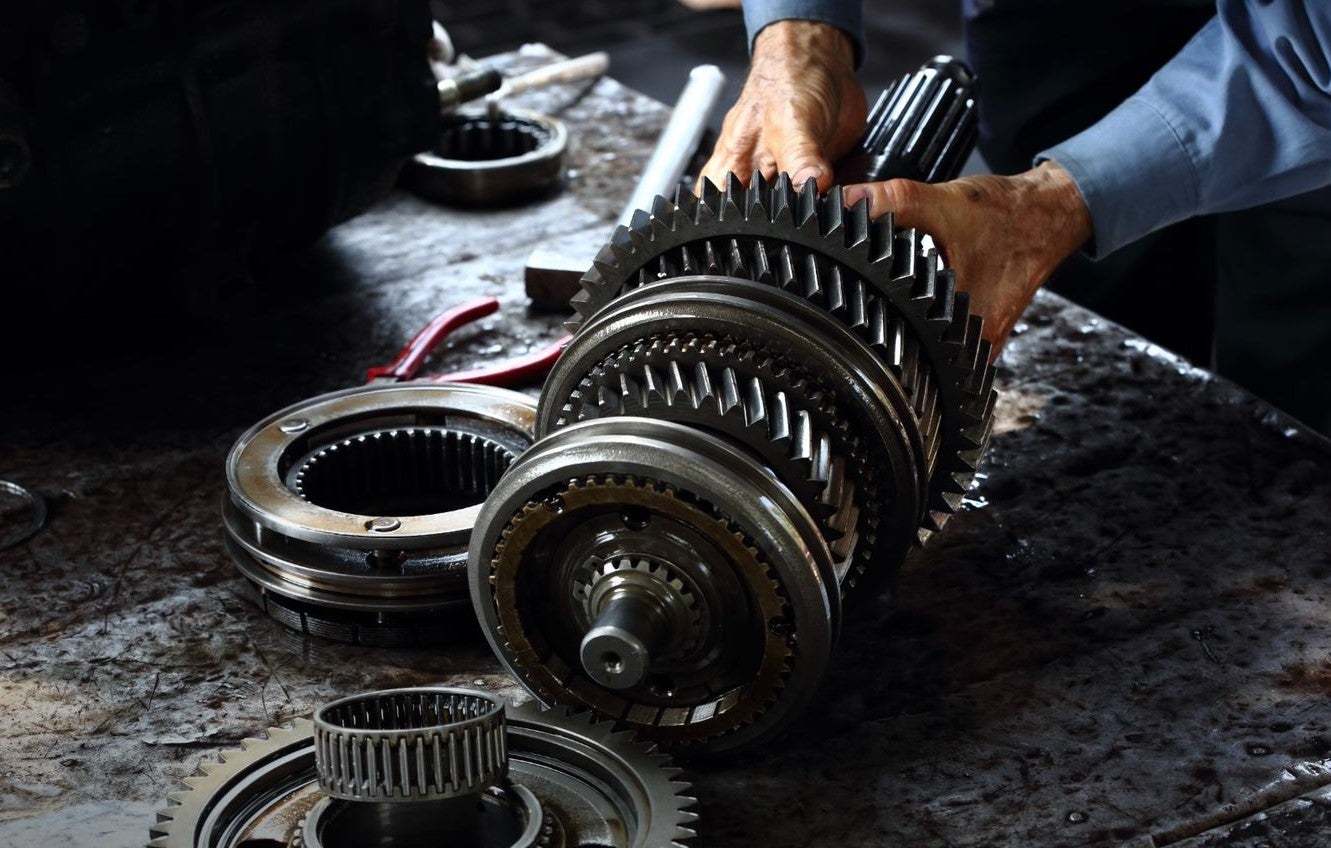
Have you noticed any troubling signs that your Subaru's transmission may be having issues? You should visit your Subaru dealer immediately for a diagnosis and repair. Transmission issues tend to occur as vehicles rack up the miles. However, with proper transmission repair, your Subaru will continue running at its best. more Does Your Subaru Need Transmission Repair? Visit Your Subaru Dealer Today Loss of Power When Accelerating Most Subaru vehicles are known for their ability to deliver exhilarating speed with smooth acceleration, so it might come as a shock when you try to accelerate and your vehicle loses power. If you step on the gas and notice your Subie feels sluggish and weak, you may be dealing with a faulty transmission. This frustrating loss of power is usually caused by worn gears in the transmission. Worn gears are unable to transfer engine power to the wheels properly, causing your vehicle to feel sluggish. Our certified technicians have the right tools to repair your gears and restore your vehicle's accelerating power. Transmission Fluid Leaks If the ground underneath your vehicle has patches of dark red fluid, your Subaru has a transmission leak. Transmission leaks usually result from a cracked pan, a damaged gasket or seal, or a loose connection. Low fluid levels caused by leaks can allow air into the transmission lines and lead to damage. Transmission leaks can also prevent smooth gear shifts and lead to acceleration issues. If you notice a leak, bring your car to the dealership for repair. Our technicians can repair the damaged lines, replace the cracked pan, and install new gaskets and seals. They will also refill the transmission fluid to enable the car to shift gears and accelerate smoothly. Slipping Gears Have you noticed that your Subie's gears are struggling to catch when accelerating or slowing down? This problem points to worn components in the transmission. When the transmission gears and synchronizers become excessively worn from age and use, they struggle to engage the right gear as you drive. If you have a manual Subaru, you will notice hesitation and the gears slipping to neutral when you engage them. With automatic transmissions, the car will make grinding or whining sounds when shifting from one gear to another. You should visit the dealership immediately to get the transmission diagnosed and repaired. Burning Smell in the Cabin If you notice a burning smell in the car while driving, your transmission may be overheating. One role of transmission fluid is to lubricate the moving parts. If the fluid is low, the parts will grind against each other and overheat, causing a burning smell. Don't drive your Subaru with an overheating transmission, as this may cause permanent damage to the components. You need a healthy transmission to enjoy the power, speed, and smooth handling your Subaru is known for. If you notice these signs of trouble, get the problem fixed immediately to prevent costly damage to the transmission. Contact Jim Keras Subaru Hacks Cross to schedule a professional diagnosis and repair.

tires

Does Your Subaru Need New Tires?

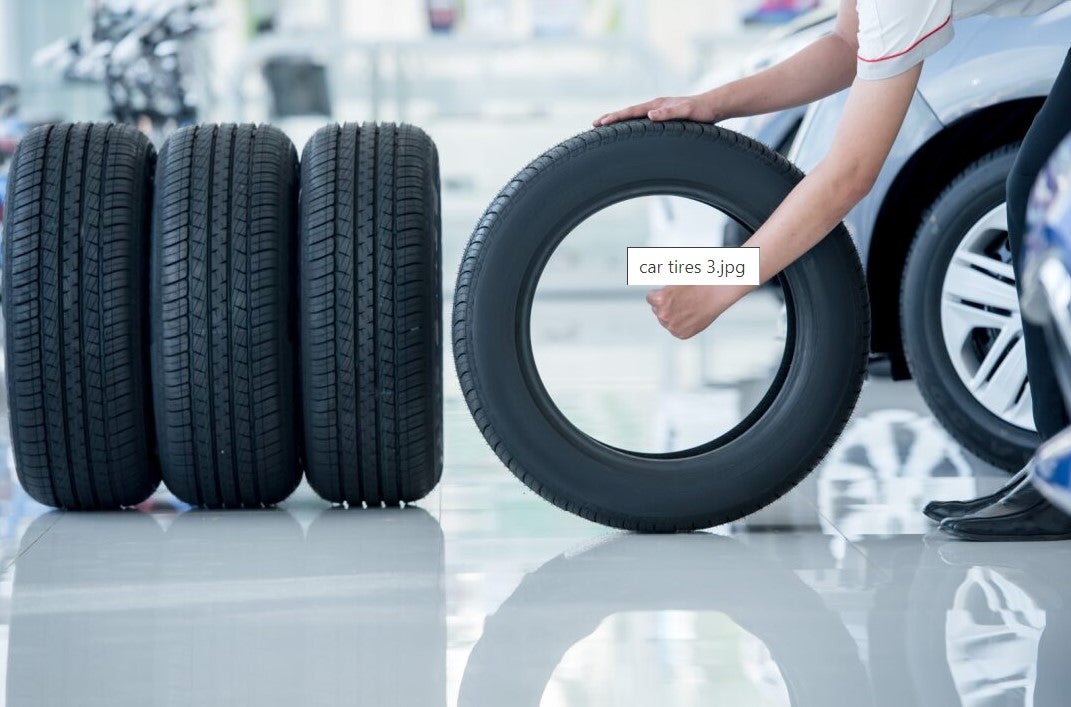
Every Subaru owner knows the thrill of navigating the roads confidently in all-wheel drive, but as those miles accumulate, you might find yourself wondering if your Subaru needs new tires. Whether you've been on an adventurous journey or just many daily commutes, ensuring your tires are in top condition is always important. Here are the signs your tires may need replacement from your Subaru dealer. more How to Know If You Need New Tires From Your Subaru Dealer Visual Inspections Reveal Damage Start with the basics. Examine your Subaru's tires for obvious signs of wear and tear. Check for any deep cuts, punctures, or objects that have embedded themselves in the tire. Bulges or blisters on the tire's surface can also hint at weak spots that could lead to future blowouts. Your Ride Feels Rougher Subarus are known for their smooth rides, and if you suddenly start to feel every bump or an unexpected vibration while cruising, it might be an indication of tire problems. Such changes may be due to internal damage in the tire or balance issues. You See Worn Out Tread Patterns One of the most straightforward methods to check for tire wear is by assessing the tread patterns. When they wear down to 2/32 of an inch, it's usually time for a change. Modern tires come with wear bar indicators: when these are flush with the surface of the tire, it's time. If you're unsure, you can always use the classic "penny test," or just ask your Subaru techs to check for you on your next oil change. The Tires Are Getting Old No matter how good your tires look, age can be a silent deteriorator. Most experts recommend inspecting tires every year after the five-year mark. After about six years or so, it's typically wise to replace them, even if they seem okay visually. Handling Issues Arise If your Subaru starts to slide or skid more frequently, especially under wet conditions, it can be a clear sign of decreased tire traction. This might be due to reduced tread depth, which compromises their grip and can increase stopping distances. You See Uneven Wear Finally, irregular tire wear can signify various issues, such as problems with alignment or inflation. If you spot uneven wear on the inside or outside edges or even sporadic bald spots, it's essential to think about tires and get your vehicle checked for other potential concerns, like alignment issues. To maintain your car's performance, pay close attention to your tires. If any of these signs seem familiar, or if you're feeling uncertain about the health of your tires, come talk to us at Jim Keras Subaru. We're here to keep your Subaru adventure-ready!

alternator

Does Your Subaru Need an Alternator Repair?

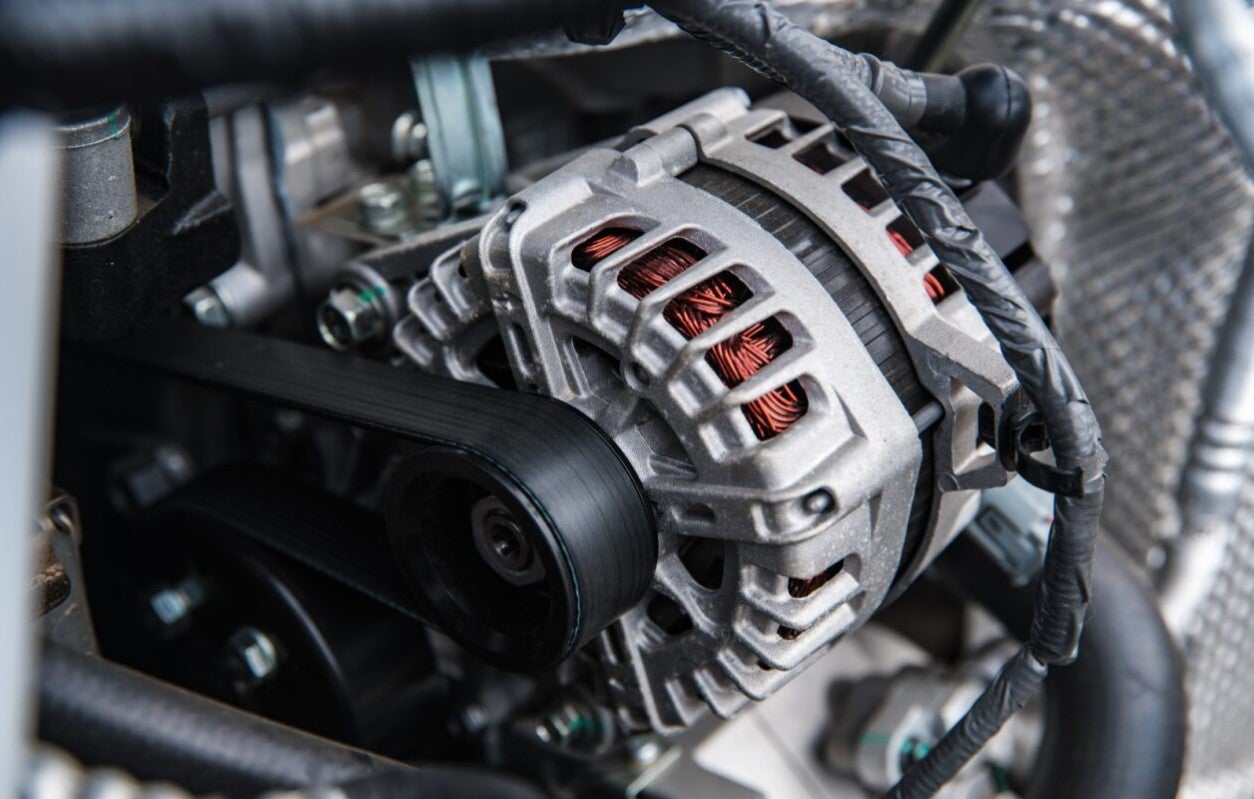
The alternator is one of your engine's most important components. It generates the electricity that allows all of your car's systems and devices to function. In time, your alternator can become worn out or damaged, and you'll need a repair or replacement. These are a few signs you need to visit your Subaru dealer for an alternator repair. more Signs You Need an Alternator Repair at Your Subaru Dealer Random Electrical Problems Your car's electrical system should always operate efficiently. Electricity is produced by the alternator and transmitted through the wiring to all the systems that need it. If your car exhibits random electrical issues, you could have an alternator problem. An older or damaged alternator won't supply the same level of power it once did, and this will cause seemingly random problems to occur. The reduced electrical supply means that your car's computer has to shift the limited available electrical supply from system to system. Your radio, for example, might suddenly stop and then begin working again a few minutes later. As the alternator weakens, random problems will become more common and will affect essential systems like spark plugs. We'll test your alternator and install a new one if required. Damaged Alternator Belt The alternator is powered by the crankshaft's movement. When the crankshaft turns, its movement causes the alternator belt to move at high speed across a series of pulleys. The belt's movement causes the pulleys to spin, and one of these pulleys powers the alternator. The alternator belt is made from strong rubber, but it can still become worn or damaged through use. A jammed pulley, for example, can damage the alternator belt as it moves over the pulley. The belt's high-speed movement can also cause it to move slightly off track. If this happens, you'll hear a screeching from the engine bay. A belt that runs off-track will suffer more friction, and this will eventually cause the belt to snap. If the alternator belt fails, your car will immediately shut down. We'll examine your belt to identify and fix the problem. Overly Bright Headlights Headlights are essential for driving at night or in other low-visibility conditions. They can also be a warning sign of an alternator problem. Your headlights are sensitive to electrical fluctuations, as they require a constant and consistent power supply. An alternator that's failing can supply a constant level of power, and this will cause the beam strength to fluctuate. If your headlights dim, then become overly bright, you probably have a failing alternator. The lights dim as power is siphoned away to supply other systems. The lights will become much brighter shortly afterward, as your computer compensates by shifting more power to the light. We'll examine your alternator and replace it if necessary. Alternator problems are quick to fix and will prevent damage to other systems. Call our service department at Jim Keras Subaru.

Contact Us

Fill out this form below and we'll contact you shortly
*Required Fields