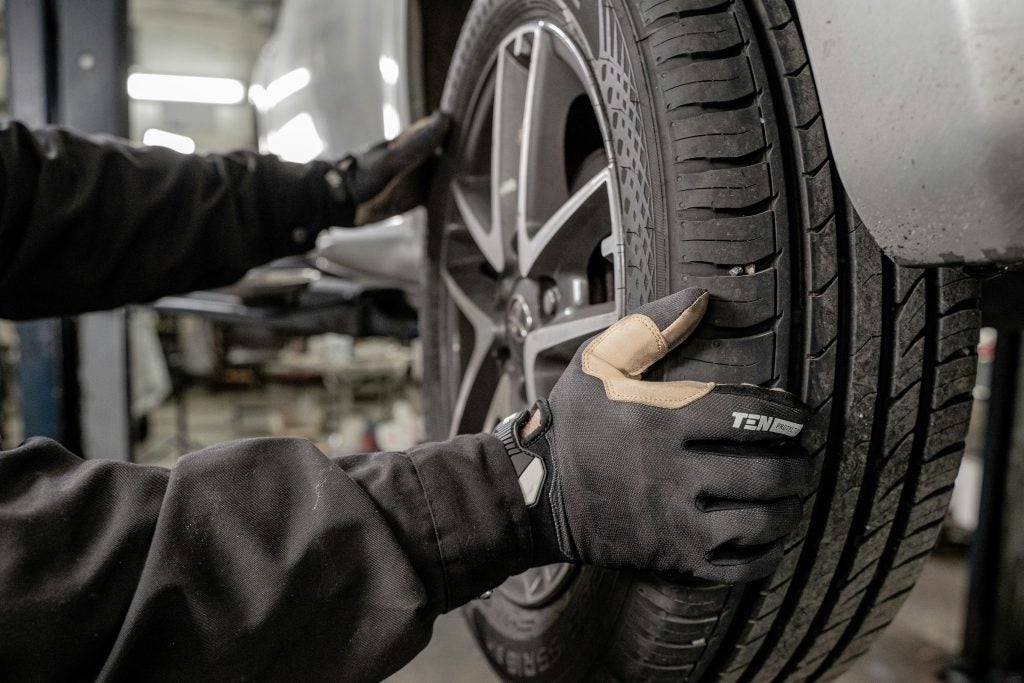
When it comes to ensuring safety on the road, choosing the right type of tire is crucial. For Subaru drivers in Memphis, TN, and surrounding areas such as Marion, AR, and Oakland, TN, understanding which type of tire is safer can make all the difference in handling various driving conditions. This guide will delve into the different types of tires, their safety features, and how to select the best tire for your Subaru, whether you're navigating city streets or tackling rugged terrains. Understanding Tire Safety: Explore the importance of tire safety and how different types of tires contribute to safer driving conditions. Winter Tires: The Ultimate Choice for Snow and Ice: Learn why winter tires are essential for snowy and icy conditions, particularly in areas with severe winters. All-Season vs. All-Weather Tires: Discover the differences between all-season and all-weather tires, and which is more suitable for your driving needs. Summer Tires: Optimal for Warmer Climates: Understand the benefits of summer tires and their limitations in colder weather. What is the Best Tire Grade?: Dive into tire grading systems and what makes a tire grade superior in terms of traction and temperature resistance. How to Pick the Best Tires for Your Subaru: Get practical advice on choosing the right tires based on your driving style and conditions. Enhancing Your Subaru with Accessories: Explore how accessories can complement your tire choice for an enhanced driving experience. Service and Maintenance for Tire Longevity: Tips on maintaining your tires for safety and performance. Understanding Tire Safety Tire safety is a critical aspect of vehicle maintenance that directly impacts your driving experience. For Subaru drivers in Memphis, TN, and nearby areas like Marion, AR, and West Memphis, AR, selecting the right tire is essential for navigating the diverse road conditions encountered throughout the year. Tire safety involves choosing the correct type of tire that provides optimal grip, stability, and performance under specific weather and road conditions. The National Highway Traffic Safety Administration (NHTSA) emphasizes the importance of using tires that match the driving environment. For instance, winter tires are recommended for snowy and icy conditions, providing superior grip and stability due to their deeper treads and softer rubber compounds. In contrast, all-season tires offer a balanced performance for various conditions, making them a popular choice for drivers in regions with moderate climates. For those in areas like Cordova, TN, where weather can vary significantly, understanding the different tire types and their safety features is crucial. Whether you're commuting on city streets or embarking on a long road trip, having the right tires can enhance your vehicle's performance and ensure your safety on the road. Winter Tires: The Ultimate Choice for Snow and Ice Winter tires are specifically designed to tackle the challenges of cold temperatures and snowy or icy roads. For Subaru owners in regions like Oakland, TN, and Millington, TN, where winter conditions can be severe, investing in winter tires is a wise decision. These tires feature a unique tread pattern and a softer rubber compound that remains flexible in freezing temperatures, providing superior grip and braking performance. The Colorado Department of Transportation highlights that winter tires are marked with the mountain snowflake symbol, indicating their capability to handle winter conditions effectively. This makes them the safest option for drivers facing heavy snow or ice. Additionally, winter tires are designed to channel slush and water away from the tire, reducing the risk of hydroplaning and improving traction on wet surfaces. Subaru vehicles, known for their all-wheel drive capabilities, can significantly benefit from winter tires. By enhancing the vehicle's natural grip and stability, winter tires ensure that Subaru drivers can navigate challenging winter roads with confidence. For those planning to travel to areas like Bartlett, TN, during the winter months, winter tires are an essential safety feature. All-Season vs. All-Weather Tires All-season and all-weather tires are popular choices for drivers seeking versatility and convenience. While both types of tires are designed to perform well in various conditions, understanding their differences is crucial for making an informed decision. All-season tires are engineered to provide a balanced performance in dry, wet, and light snowy conditions. They are a great option for drivers in areas like Arlington, TN, where winters are mild, and the climate is relatively stable. These tires offer good traction and mileage, making them suitable for year-round use without the need for seasonal tire changes. On the other hand, all-weather tires are a more specialized version of all-season tires, designed to handle a broader range of winter conditions, including wet snow and slush. These tires are marked with the mountain snowflake symbol, indicating their capability to perform in severe winter conditions. They are ideal for drivers in Lakeland, TN, where weather patterns can be unpredictable, and the need for reliable winter performance is paramount. Choosing between all-season and all-weather tires depends on your specific driving needs and the typical weather conditions in your area. For those in Memphis, TN, where weather can vary, consulting with a tire expert at Jim Keras Subaru can help you make the best choice for your vehicle. Summer Tires: Optimal for Warmer Climates Summer tires are designed to provide excellent performance in warm weather conditions. They are ideal for drivers in regions like Cordova, TN, where temperatures rarely drop below freezing. These tires feature a unique tread pattern and rubber compound that enhance traction and handling on dry and wet roads, making them perfect for spirited driving and high-speed stability. While summer tires offer superior performance in warm weather, they are not suitable for cold temperatures or snowy conditions. The rubber compound used in summer tires can harden in freezing temperatures, reducing their grip and increasing the risk of accidents. Therefore, drivers in areas with seasonal weather changes, such as Memphis, TN, should consider switching to winter or all-season tires during colder months. For Subaru enthusiasts who enjoy driving on winding roads and highways, summer tires can enhance the vehicle's handling and responsiveness. Whether you're cruising through Arlington, TN, or exploring the scenic routes around Millington, TN, summer tires provide the performance and confidence needed for an enjoyable driving experience. What is the Best Tire Grade? Tire grading systems, such as the Uniform Tire Quality Grading (UTQG), provide valuable information about a tire's performance in terms of traction, temperature resistance, and treadwear. For drivers in Bartlett, TN, understanding these grades can help in selecting the best tire for their Subaru. Traction grades measure a tire's ability to stop on wet pavement, with ratings ranging from AA (the highest) to C. Tires with an AA rating offer the best wet traction, making them ideal for areas with frequent rain or wet conditions. Temperature grades indicate a tire's ability to withstand heat, with A being the highest rating. This is particularly important for drivers in warmer climates, such as Marion, AR, where high temperatures can affect tire performance. When selecting tires for your Subaru, consider the UTQG ratings to ensure you're choosing a tire that meets your driving needs and environmental conditions. For personalized advice and to explore the latest tire options, visit Jim Keras Subaru in Memphis, TN, where our experts can guide you through the selection process. How to Pick the Best Tires for Your Subaru Choosing the right tires for your Subaru involves considering several factors, including your driving style, typical road conditions, and climate. Here are some tips to help you make an informed decision: Assess Your Driving Needs: Consider whether you primarily drive in the city, on highways, or off-road. Each environment requires different tire characteristics for optimal performance. Evaluate Weather Conditions: Determine the most extreme weather conditions you may encounter. This will help you choose between all-season, all-weather, winter, or summer tires. Consider Your Driving Style: If you prefer a smooth, comfortable ride, look for tires that emphasize comfort and low road noise. For a more dynamic driving experience, opt for high-performance tires that offer excellent grip and handling. For Subaru drivers in Memphis, TN, and surrounding areas like West Memphis, AR, consulting with a tire expert at Jim Keras Subaru can provide valuable insights and recommendations tailored to your specific needs. Whether you're looking for new Subaru inventory or need to schedule service and diagnostics, our team is here to assist you. Enhancing Your Subaru with Accessories In addition to selecting the right tires, enhancing your Subaru with accessories can further improve your driving experience. From roof racks and cargo carriers to all-weather floor liners, the right accessories can provide added convenience and protection for your vehicle. For drivers in areas like Arlington, TN, and Lakeland, TN, where outdoor adventures are common, accessories such as trailer hitches and towing accessories can be invaluable. These additions allow you to transport gear and equipment with ease, making your Subaru even more versatile. At Jim Keras Subaru, we offer a wide range of accessories to suit your needs. Visit our dealership at 2110 Covington Pike, Memphis, TN 38128 or call us at (901) 401-9919 to explore our selection and enhance your Subaru today. Service and Maintenance for Tire Longevity Proper maintenance is essential for extending the life of your tires and ensuring your safety on the road. Regularly checking tire pressure, alignment, and tread depth can prevent premature wear and improve fuel efficiency. For Subaru owners in Memphis, TN, and surrounding areas like Cordova, TN, scheduling regular service appointments is crucial for maintaining tire performance. At Jim Keras Subaru, we offer comprehensive maintenance services to keep your vehicle in top condition. Schedule service and diagnostics with our experienced technicians to address any tire-related concerns and ensure your Subaru is ready for any journey. In addition to maintenance, consider using our trade-in tool to find out the value of your current vehicle and explore options for upgrading to a new Subaru. Whether you're interested in the latest Subaru WRX or the versatile Subaru Outback, our team is here to assist you every step of the way. For more information on our new and used vehicle inventory, visit our New Subaru Inventory and Used Vehicle Inventory. To explore financing options, get approved for financing through our online credit application. At Jim Keras Subaru, we're dedicated to providing exceptional service and helping you find the perfect vehicle for your needs. © 2025 Jim Keras Subaru