Blog / Jim Keras Subaru Service

Blog

All Jim Keras Subaru Service Memphis Subaru Dealer Jim Keras Subaru Dealership New Subaru Memphis Subaru Service Fun Things to Do in Memphis TN Jim Keras Subaru Financing Auto Financing in Memphis 2025 Subaru Ascent Electric SUV Restaurants in Memphis Subaru Financing Subaru Fuel Efficiency Subaru Outback Subaru Safety Subaru Solterra Subaru Technology
tires

Does Your Subaru Need New Tires?

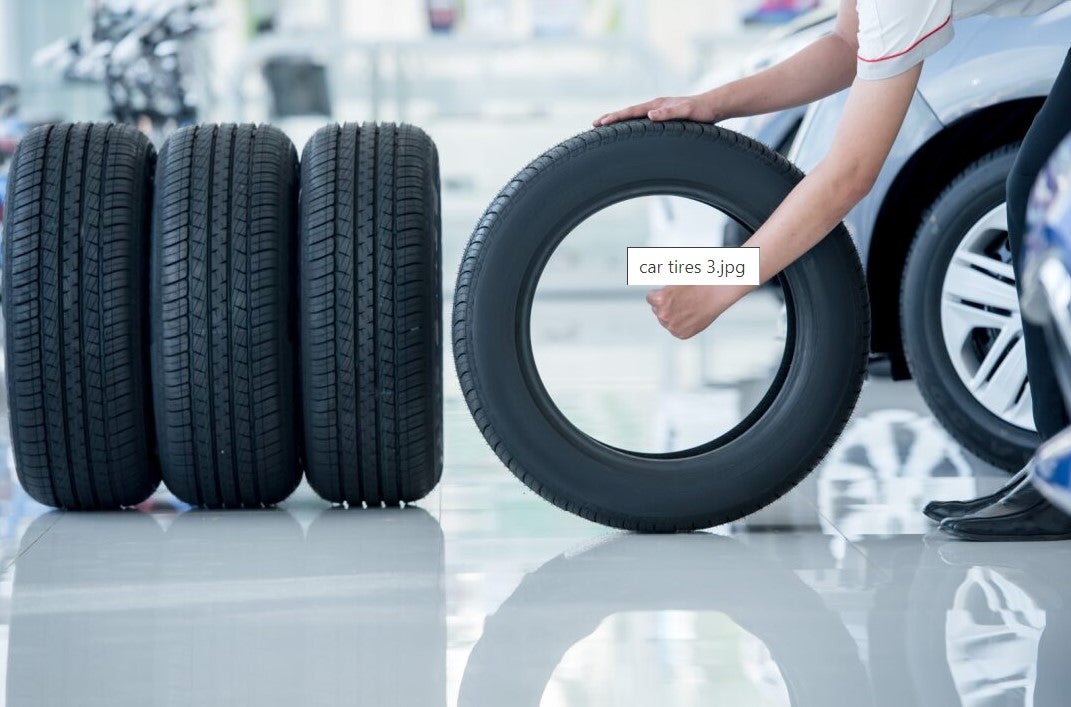
Every Subaru owner knows the thrill of navigating the roads confidently in all-wheel drive, but as those miles accumulate, you might find yourself wondering if your Subaru needs new tires. Whether you've been on an adventurous journey or just many daily commutes, ensuring your tires are in top condition is always important. Here are the signs your tires may need replacement from your Subaru dealer. more How to Know If You Need New Tires From Your Subaru Dealer Visual Inspections Reveal Damage Start with the basics. Examine your Subaru's tires for obvious signs of wear and tear. Check for any deep cuts, punctures, or objects that have embedded themselves in the tire. Bulges or blisters on the tire's surface can also hint at weak spots that could lead to future blowouts. Your Ride Feels Rougher Subarus are known for their smooth rides, and if you suddenly start to feel every bump or an unexpected vibration while cruising, it might be an indication of tire problems. Such changes may be due to internal damage in the tire or balance issues. You See Worn Out Tread Patterns One of the most straightforward methods to check for tire wear is by assessing the tread patterns. When they wear down to 2/32 of an inch, it's usually time for a change. Modern tires come with wear bar indicators: when these are flush with the surface of the tire, it's time. If you're unsure, you can always use the classic "penny test," or just ask your Subaru techs to check for you on your next oil change. The Tires Are Getting Old No matter how good your tires look, age can be a silent deteriorator. Most experts recommend inspecting tires every year after the five-year mark. After about six years or so, it's typically wise to replace them, even if they seem okay visually. Handling Issues Arise If your Subaru starts to slide or skid more frequently, especially under wet conditions, it can be a clear sign of decreased tire traction. This might be due to reduced tread depth, which compromises their grip and can increase stopping distances. You See Uneven Wear Finally, irregular tire wear can signify various issues, such as problems with alignment or inflation. If you spot uneven wear on the inside or outside edges or even sporadic bald spots, it's essential to think about tires and get your vehicle checked for other potential concerns, like alignment issues. To maintain your car's performance, pay close attention to your tires. If any of these signs seem familiar, or if you're feeling uncertain about the health of your tires, come talk to us at Jim Keras Subaru. We're here to keep your Subaru adventure-ready!
alternator

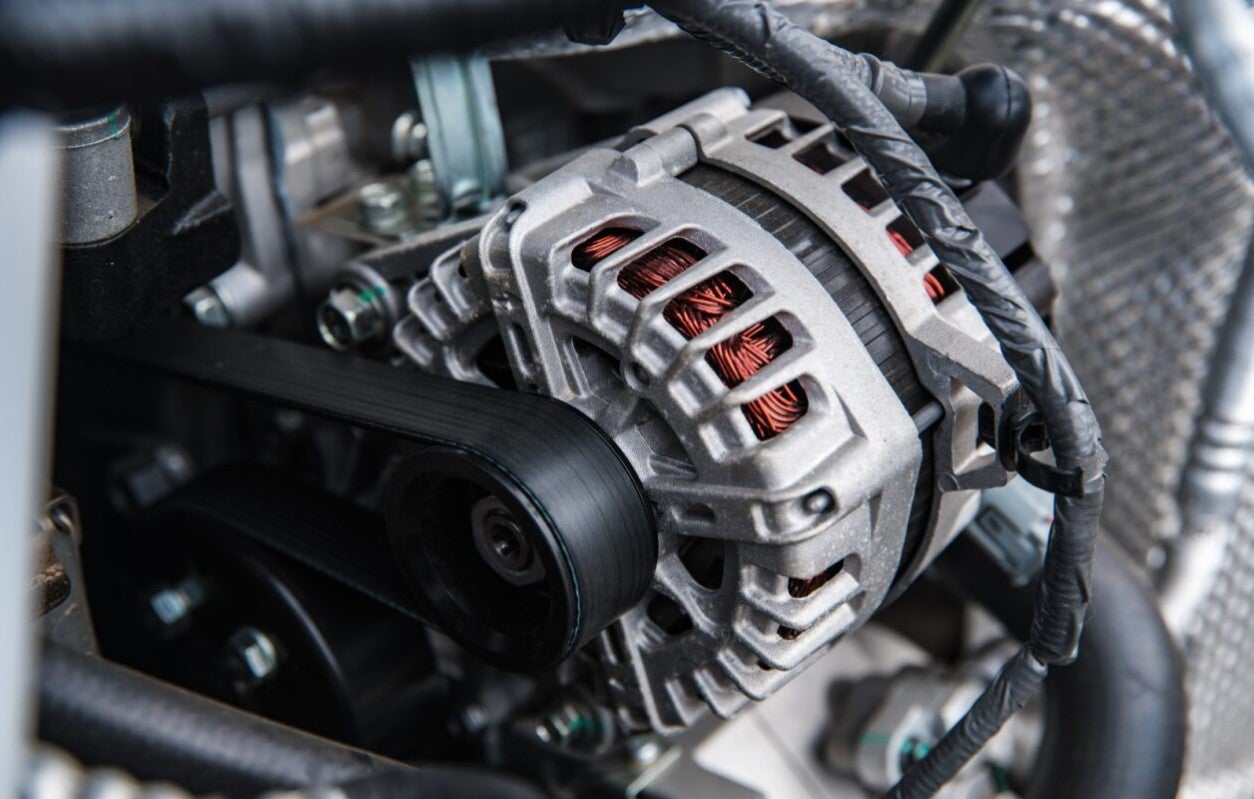
Does Your Subaru Need an Alternator Repair?

The alternator is one of your engine's most important components. It generates the electricity that allows all of your car's systems and devices to function. In time, your alternator can become worn out or damaged, and you'll need a repair or replacement. These are a few signs you need to visit your Subaru dealer for an alternator repair. more Signs You Need an Alternator Repair at Your Subaru Dealer Random Electrical Problems Your car's electrical system should always operate efficiently. Electricity is produced by the alternator and transmitted through the wiring to all the systems that need it. If your car exhibits random electrical issues, you could have an alternator problem. An older or damaged alternator won't supply the same level of power it once did, and this will cause seemingly random problems to occur. The reduced electrical supply means that your car's computer has to shift the limited available electrical supply from system to system. Your radio, for example, might suddenly stop and then begin working again a few minutes later. As the alternator weakens, random problems will become more common and will affect essential systems like spark plugs. We'll test your alternator and install a new one if required. Damaged Alternator Belt The alternator is powered by the crankshaft's movement. When the crankshaft turns, its movement causes the alternator belt to move at high speed across a series of pulleys. The belt's movement causes the pulleys to spin, and one of these pulleys powers the alternator. The alternator belt is made from strong rubber, but it can still become worn or damaged through use. A jammed pulley, for example, can damage the alternator belt as it moves over the pulley. The belt's high-speed movement can also cause it to move slightly off track. If this happens, you'll hear a screeching from the engine bay. A belt that runs off-track will suffer more friction, and this will eventually cause the belt to snap. If the alternator belt fails, your car will immediately shut down. We'll examine your belt to identify and fix the problem. Overly Bright Headlights Headlights are essential for driving at night or in other low-visibility conditions. They can also be a warning sign of an alternator problem. Your headlights are sensitive to electrical fluctuations, as they require a constant and consistent power supply. An alternator that's failing can supply a constant level of power, and this will cause the beam strength to fluctuate. If your headlights dim, then become overly bright, you probably have a failing alternator. The lights dim as power is siphoned away to supply other systems. The lights will become much brighter shortly afterward, as your computer compensates by shifting more power to the light. We'll examine your alternator and replace it if necessary. Alternator problems are quick to fix and will prevent damage to other systems. Call our service department at Jim Keras Subaru.

brakes2

Does Your Subaru Need a Brake Repair?

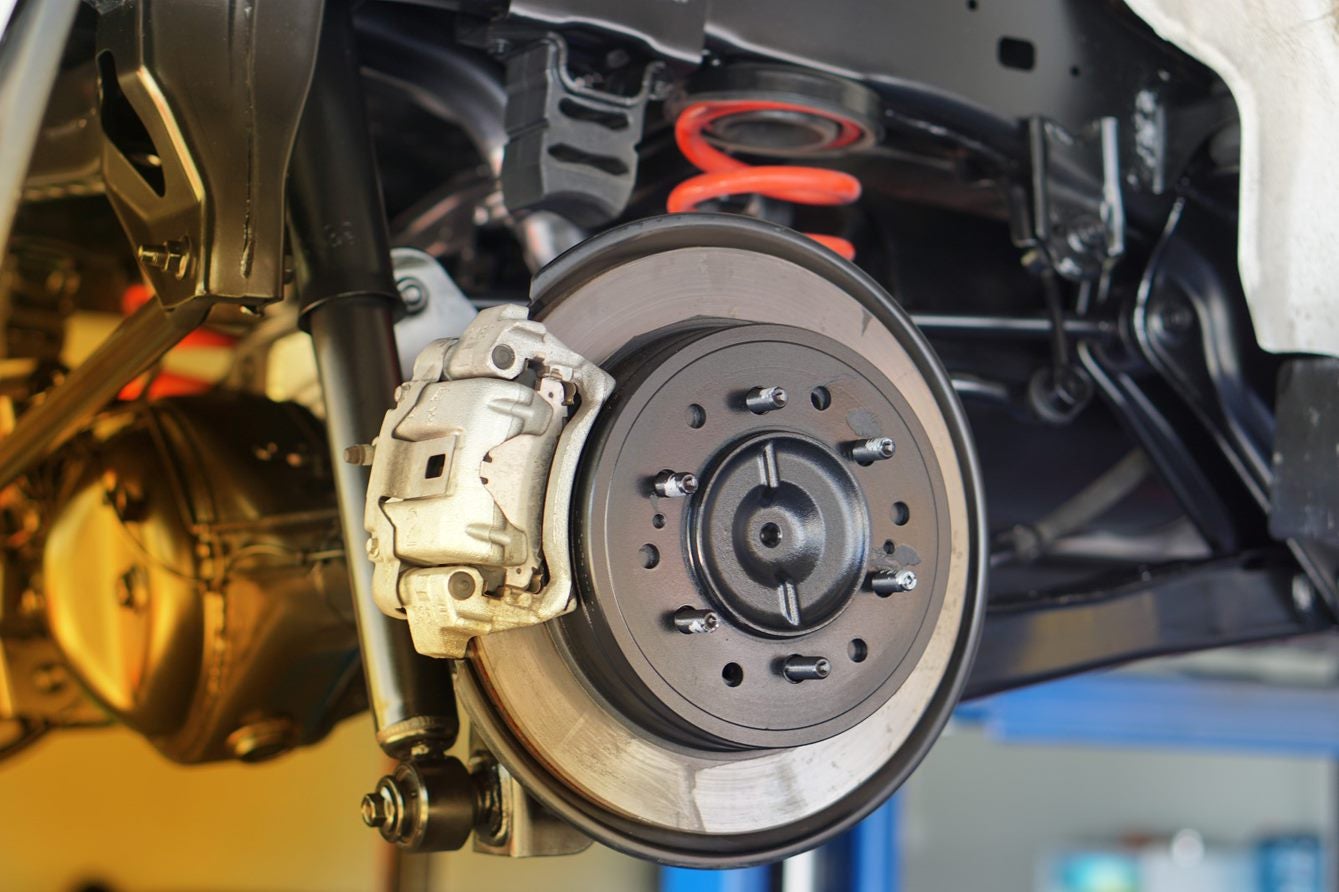
Of the half a million road accidents that happen each year in the US, about 5% are caused by brake failure. While brake failure is fortunately rare, it can occasionally happen when brakes are neglected. Routine brake servicing keeps most brakes in excellent condition. The following seven problems should also be watched out for, any of which should prompt a quick visit to your nearest Subaru dealer for brake repair. more Does Your Subaru Need a Brake Repair? Brake Fade When brakes overheat, an interesting phenomenon named brake fade may sometimes occur. Brake fade is where the melting resin in overheating brake pads releases a tiny layer of gas that reduces traction. The result is a sudden loss of stopping power which can be very dangerous. So if you ever experience brake fade, get off the road at once and allow your brakes to cool back down. If the problem continues thereafter, you might need a mechanic to take a look. Soft Brakes Another disconcerting experience is when a brake pedal feels suddenly soft underfoot. This soft sensation is usually caused by leaking brake fluid, which has allowed air into the brake lines. It's also wise to pull over if your brakes ever feel soft. Check your brake lines and undercarriage for leaking fluid, or have a mechanic do this for you. Squeaking Brakes A less immediately dangerous issue is a squeaking sound coming from your brakes. This squeaking can sometimes be created by a little harmless dust or water on the brake pad. But if the sound persists, one of your brake pads might be almost worn out and in need of replacement. Grinding Brakes Metallic grinding sounds when you brake point to a problem in one of your brake calipers. A small screw or pin might have come loose or a stone from the road may have gotten caught in the caliper. Grinding can also be caused by a severely worn-down brake pad that's lost its friction layer entirely. Vibrating Brakes Damaged rotors or brake drums tend to cause a vibration that you can feel through the brake pedal. A damaged rotor might be rescued with resurfacing if it's still thick enough. Uneven Brakes If you feel like one side of your car is braking more firmly than the other, then you might have a problem. When an issue develops inside a single braking mechanism, your car might pull to one side as well. Brake Warning Light Most brake problems will cause the brake warning light to light up on your dashboard. This light won't tell you specifically what's wrong. But it's best not to ignore it in case the underlying problem worsens. Have Brake Servicing Twice a Year at Your Subaru Dealer Without well-kept brakes, a driver is a danger to themselves and to others. And so periodical brake servicing might be the most important of all car maintenance tasks. It's generally recommended to have brake servicing twice a year. But if you use your brakes excessively because you commute every day in heavy traffic, every three months might be a better interval. Visit Jim Keras Subaru today to have your brakes inspected and repaired. For 32 years, we've been proudly serving the drivers of Memphis, West Memphis, Bartlett, and elsewhere in the nearby Mid-South.

Subaru Outback Front

Does Your Subaru Need a Transmission Repair?

If you're having trouble with your Subaru's transmission, it's crucial to seek out a reputable and knowledgeable Subaru dealership for proper repair. Regardless of whether you own a Legacy, Outback, or Impreza model, a well-functioning transmission is a key factor in ensuring your vehicle's safe and smooth operation. Ignoring transmission issues can result in further, more costly repairs and a decrease in performance. Let's explore if your Subaru needs a transmission repair. more Does Your Subaru Need a Transmission Repair? Navigating the Complexities of Automotive Transmissions Fixing a malfunctioning transmission often demands intricate knowledge and specialized skills from a seasoned mechanic to properly diagnose and repair the issue. Common transmission issues include slipping gears, hesitations during shifting, and grinding or humming noises. In some instances, these signs may indicate a more serious issue, such as worn gears or a damaged transmission control module. It's important to note that addressing issues with your vehicle's transmission can be costly, which is why it's critical to make informed decisions. If you're uncertain about the severity of the issue, consider seeking a second opinion from another trusted mechanic or a different auto repair shop. This will give you a better understanding of the situation and help you make an educated choice on how to move forward with repairs. Selecting a Dependable Subaru Dealership When it comes to choosing an auto service provider, it's vital to pick one with a proven history of providing quality service and knowledgeable technicians. Look for a dealership with a spacious service department, cutting-edge equipment, and a team of specialists trained in working with Subaru vehicles. This will give you peace of mind that your vehicle is in competent hands and that repairs will be completed accurately the first time. It's also important to take into account the dealership's location. A trustworthy dealership located nearby makes it easier to schedule regular maintenance appointments and provides quick access in case of emergency repairs. If you encounter a transmission issue while traveling, having a reliable service center nearby can mean the difference between getting your vehicle back on the road in a timely manner. Taking Proper Care of Your Vehicle Along with regular transmission maintenance, there are several other critical steps you can take to keep your Subaru running smoothly. These include regular oil changes, tire rotations, and brake checks, as well as monitoring fluid levels and being aware of any warning signs or unusual sounds. By staying on top of routine maintenance tasks, you can catch potential issues early and maintain your vehicle in top condition. It's also essential to consider the type of driving you do and the conditions you drive in. For example, city driving can put more wear and tear on your transmission than highway driving. Understanding your driving habits can aid in making informed decisions about transmission maintenance and repairs. Vehicle maintenance is crucial for ensuring your car runs smoothly. If you notice any problems with your vehicle, then visit us at Jim Keras Subaru of Memphis for expert service and routine maintenance. Our team is here to help keep your vehicle in top shape.

brakejob

Does Your Subaru Need a Brake Repair?

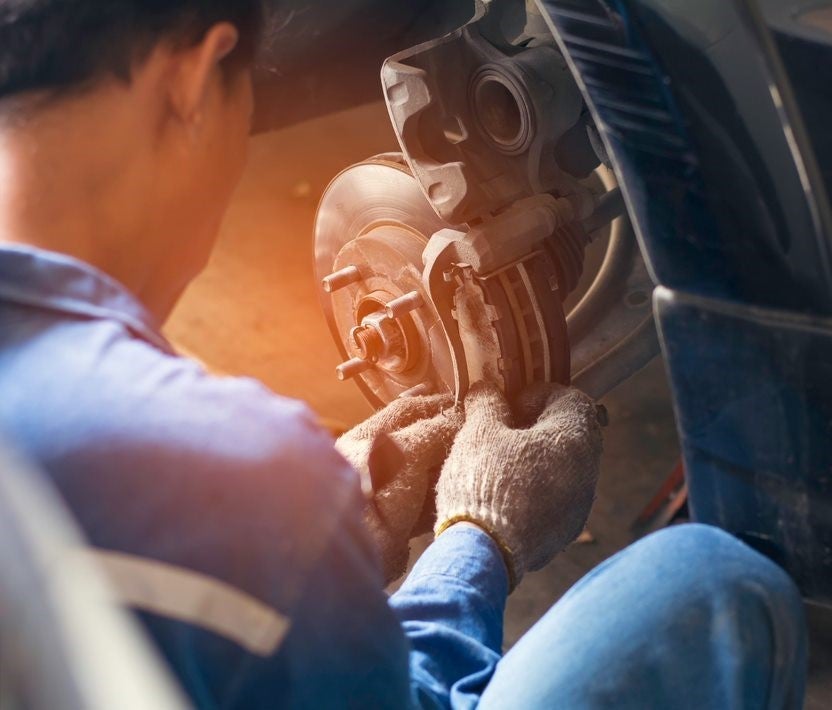
Regular brake maintenance is important for your Subaru, as it ensures that your brakes are always in good working condition. Your brakes are subject to wear and tear from the elements, as well as heat and pressure as they work. This can lead to damage, and you'll need a brake repair. Your Subaru dealer can repair any braking problem for you. These are a few signs that we need to examine your brakes. more Signs You Need a Brake Repair at Your Subaru Dealer Your Steering Wheel Shakes If your steering wheel shakes when you hit the brakes, our technicians need to examine your braking system. The shaking feeling will increase and become more extreme as time passes. It's caused by damage to one or more wheel rotors. The wheel rotors are smooth metal disks that fit just behind your wheels. When you apply the brakes, the calipers grab the rotors and generate friction that causes the wheels to stop. Over time, the rotors can develop patches of rust. Rust occurs because the rotors are exposed to water and mud as you drive. The only part of the rotors that aren't affected is the section underneath the brake calipers. These rusted sections will cause your steering wheel to shake when the calipers grab a rusted section. We can fix this problem by resurfacing your rotors to remove the rust. Dragging Acceleration When you step on the gas, your Subaru should almost leap forward. If you start to feel as though something is preventing your wheels from moving as fast as they should, you could have a brake problem. This type of problem is usually caused by a damaged caliper. As we've seen, the calipers grip both sides of the rotors to bring your wheels to a stop. Once you remove your foot from the brake, the calipers withdraw. If one of the calipers is damaged, it may continue to partially grip the rotor. The damaged caliper will prevent the affected wheel from moving at the same speed as the others. A damaged caliper will cause additional damage to your rotor, axle, and braking system if it's not repaired. We can replace the caliper to correct this problem. Soft Brake Pedal A soft brake pedal is very dangerous. In this situation, your brake pedal displays almost no resistance when you step on it. The resistance from a brake pedal is caused by the pressure from the brake fluid. A lack of resistance means that your brake fluid is low, and brake fluid is essential for your brakes to work. We advise calling us immediately if your brake pedal goes soft. We'll examine the braking system and fix the problem. Driving with a brake problem is dangerous. Call us right away at Jim Keras Subaru so we can repair the problem.

Contact Us

Fill out this form below and we'll contact you shortly
*Required Fields